

While drug makers are working to develop medications and make them more marketable, physicians and providers are doing double-duty ensuring patients receive the medications and therapies best suited for their individual needs. And these events open opportunities for community pharmacies.
How? By removing barriers to adherence.
How patients approach health care has changed over the years and the demand for more personalized attention has grown. Where physician providers might see their patients anywhere from three to four times in a year, community pharmacists can average 35 interactions with the same patient in the same time period. This frequent interaction creates an opening for pharmacists to build better relationships with patients, increasing the ability to influence better medication and care adherence.
Drug manufacturers and physicians are turning a keen eye towards partnerships that will align with their goals while also improving customer experience – a perfect opportunity for local and community pharmacies to increase their footprint financially and within the community.
To better position your pharmacy as a potential partner for manufacturers and providers, we’re outlining 3 steps you can take to remove barriers that might be impeding patient care in your organization.
- Focus on patient relationships
Medication non-adherence has been shown to be responsible for between 33 percent and 69 percent of medication-related hospital admissions.
But pharmacists are in a prime position to run defense on this statistic. How? By utilizing your relationship with the patient. The frequency of interactions has allowed you to build that relationship and your patients trust you. Use that relationship to offer personalized support:
- Educate about medications
- Ensure they’re refilling prescriptions on-time
- Offer medication synchronization services
A pharmacy’s access to patients in the community and their ability to engage with the patient on a one-on-one (and regular) basis will help to increase medication adherence, decrease poor outcomes, and clear the way for a healthier, happier patient and bottom line.
- Build distributor relationships and use them to your advantage
The middlemen (distributors) can often be a strong advocate in removing barriers to care. Their close relationships with manufacturers can be leveraged to benefit a local pharmacy. Distributors:
- Ensure you have the products you need
- Are supportive of both pharmacy and manufacturer goals
- Can help tighten up supply and reduce inefficient inventories
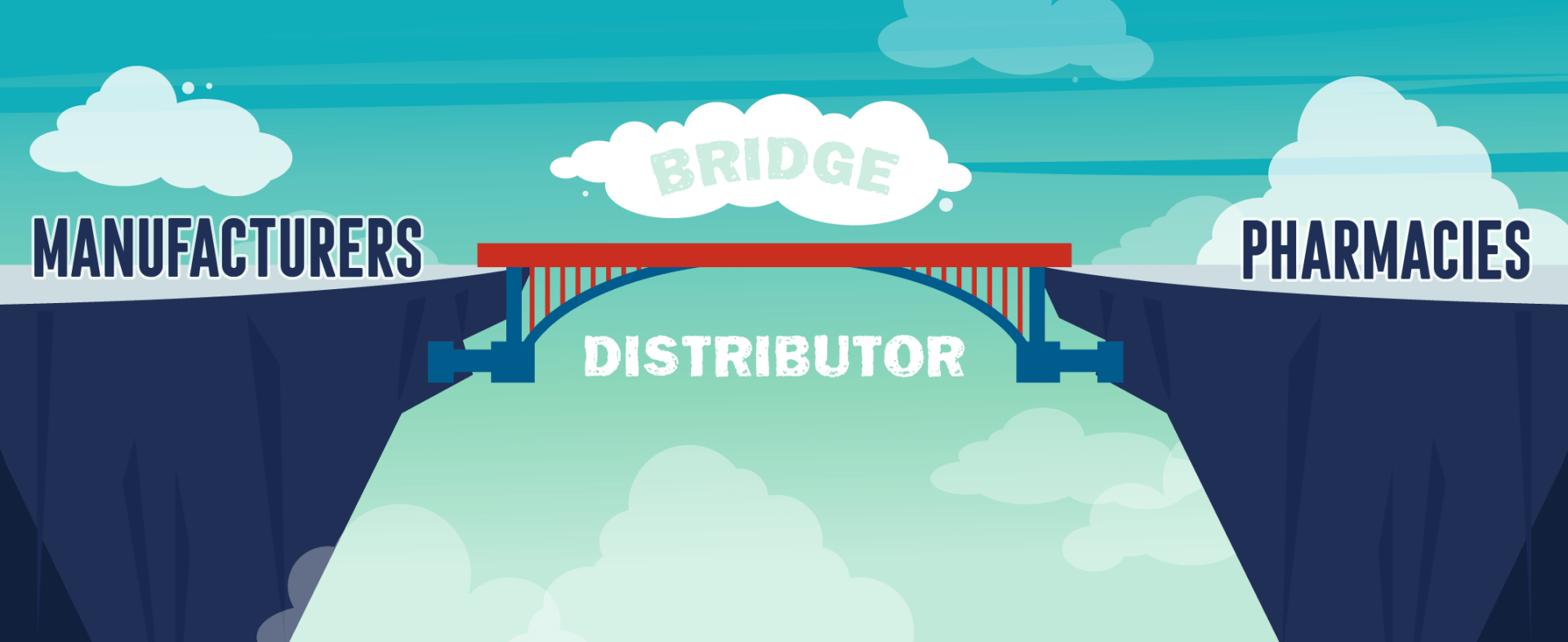
When lines of communication are open and fostered, a distributor can be a bridge between manufacturers and pharmacies, linking needs and goals on both sides and ultimately providing a more positive outcome for patients.
- Stay familiar with the evolution of specialty pharmacy
As stated earlier, drug makers are working to develop better medications. With the evolution of health care and therapies, odds are you’re going to encounter patients who have more complicated health care needs. These patients will require more complex, tailored care and a more intimate relationship with their pharmacist.
There are several specialty drugs that are already distributable at the pharmacy touchpoint. Having a positive, supportive, and knowledgeable engagement with the pharmacist can boost a patient’s chances at adherence.
Closing Thoughts
When it comes to providing better care and more positive outcomes, pharmacists are in a prime position. Their consistent access to patients allows them to educate on diagnoses and medications, manage medications, and answer questions regarding therapies. Addressing medication adherence and achieving better outcomes and relationships can help boost a pharmacy’s potential at partnering with drug manufacturers and providers alike.
If you are interested in learning more or becoming an Aspire Health member, connect with us.